“Choosing between a walk-in shower and a bathtub is about more than bathroom style. It is about creating a space that feels comfortable, safe, and right for your everyday life. Walk-in showers offer easy access and modern convenience, while bathtubs provide relaxation and flexibility. The best choice depends on your space, lifestyle, budget, and future needs.”
Key Takeaways
- Walk-in showers offer easier access, convenience, and a more open bathroom feel.
- Bathtubs provide relaxation, versatility, and practical benefits for families with children.
- Your bathroom size, budget, lifestyle, and accessibility needs should guide the decision.
- Consider maintenance and long-term comfort before choosing either option.
- Keeping at least one bathtub can provide greater flexibility and resale appeal.
- A thoughtful bathroom choice can create a space that feels comfortable, safe, and enjoyable for years to come.
Choosing between a walk-in shower and a bathtub can feel like a small decision, but it can have a lasting effect on how comfortable, functional, and enjoyable your bathroom feels. A shower may make daily routines faster and easier, while a bathtub can provide a relaxing place to unwind after a long day. The right choice depends on your bathroom size, lifestyle, budget, accessibility needs, maintenance preferences, and plans.
There is no single option that works perfectly for every household. By comparing the advantages and limitations of each, you can create a bathroom that feels comfortable today while continuing to meet your needs in the years ahead.
Understanding the Difference Between Walk-In Showers and Bathtubs
The biggest difference between these two bathroom features is how they support everyday use. A walk-in shower is designed for quick, convenient bathing and generally provides easier entry and movement. A bathtub, on the other hand, offers the option to sit or soak and can be particularly useful for households with young children.
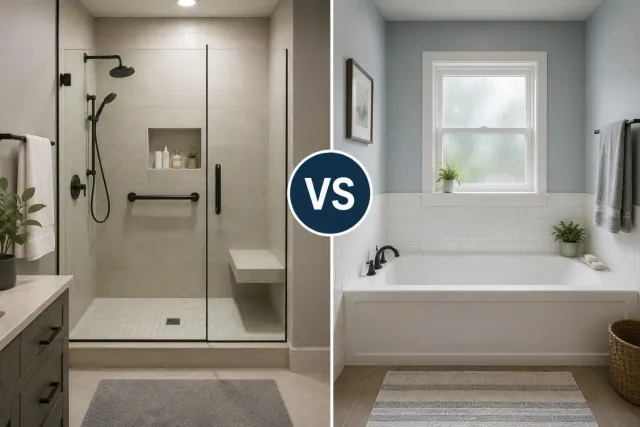
Walk-in showers can also create a more open and contemporary appearance. Bathtubs tend to provide a traditional and familiar look, although modern freestanding and built-in tubs can complement many design styles.
Your daily routine should be one of the first things you consider. If most household members prefer showers, a walk-in design may be more practical. If relaxing baths are important or children regularly use the bathroom, a tub may offer greater flexibility.
Walk-In Shower vs. Bathtub: Cost Considerations
Budget is an important part of any bathroom renovation. The total price of a walk-in shower or bathtub depends on the size of the installation, materials, plumbing requirements, fixtures, waterproofing, and labor.
Walk-In Shower Installation Cost Factors
A walk-in shower can involve several components, including a shower pan, waterproofing system, wall surfaces, fixtures, doors, and glass panels. Custom designs may require additional preparation and skilled installation.
Some of the factors that can affect the overall cost include:
- Shower size and layout
- Waterproofing requirements
- Tile or wall panel selection
- Glass enclosure style
- Shower fixtures
- Plumbing modifications
- Drain placement
- Labor and preparation
A simple shower installation may be relatively straightforward, while a custom shower with premium materials and specialized features can require a larger investment.
Bathtub Installation Cost Factors
A bathtub can sometimes be more economical when replacing an existing tub without changing the bathroom layout. However, the final cost still depends on the type of tub, surrounding materials, fixtures, plumbing, and installation requirements.
Common bathtub cost factors include:
- Tub style and material
- Tub surround or wall finish
- Faucet and fixture selection
- Plumbing changes
- Removal of the existing tub
- Installation and finishing work
When comparing shower and tub costs, it is helpful to consider the entire project rather than focusing only on the price of the main fixture.
Space and Bathroom Layout
Available space can strongly influence the decision between a shower and tub. The dimensions of the bathroom, location of plumbing, door placement, and available walking space all need to be considered.
Walk-In Shower for Small Bathrooms
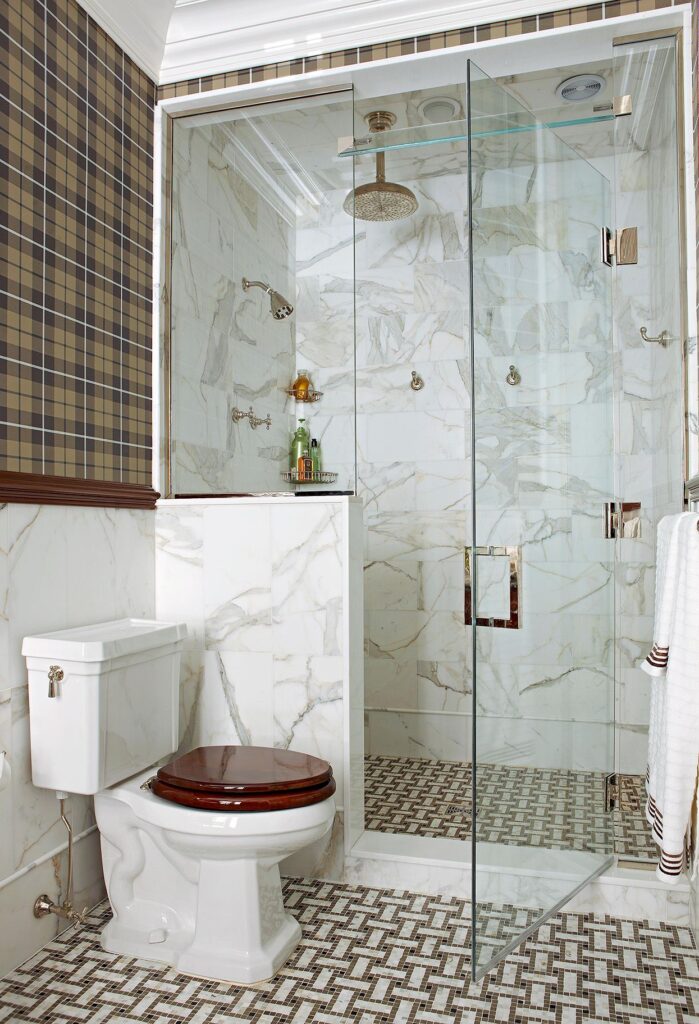
A walk-in shower can be an excellent choice for a compact bathroom because it can create a more open feeling. Clear glass, streamlined fixtures, and thoughtful placement can help reduce visual barriers.
For homeowners considering a [small bathroom remodel], replacing a bulky tub with a shower may also improve movement within the room. A well-planned layout can make the bathroom feel less crowded without necessarily increasing its actual size.
However, the shower should still provide enough room for comfortable movement. Saving space should not come at the expense of usability.
Bathtubs and Bathroom Space
Bathtubs generally require more floor area and can visually occupy a larger portion of the bathroom. This does not mean they are unsuitable for smaller bathrooms. A standard tub-and-shower combination can remain a practical solution when space is limited.
The best approach is to consider how the available area will be used. If the bathroom needs maximum open floor space, a walk-in shower may have an advantage. If bathing flexibility is more important, a tub may be worth the space it occupies.
Cleaning and Maintenance Requirements
Bathroom maintenance is another factor that should not be overlooked. Both showers and bathtubs can be easy or difficult to maintain depending on the materials and design.
Walk-In Shower Maintenance
Walk-in showers may include tile, grout, glass doors, drains, and multiple fixtures. These surfaces can require regular cleaning to prevent soap residue, mineral deposits, and moisture-related buildup.
Low-maintenance wall surfaces and properly sealed grout can make cleaning easier. Frameless or minimal-glass designs can also reduce the number of areas where buildup collects.
Important maintenance considerations include:
- Cleaning glass surfaces
- Maintaining grout lines
- Checking caulking
- Cleaning drains
- Inspecting waterproofed areas
- Removing soap and mineral buildup
Choosing practical materials during a [shower remodeling] project can help reduce long-term maintenance.
Bathtub Maintenance
Bathtubs can also require regular cleaning, particularly around the basin, edges, fixtures, and surrounding walls. A smooth, nonporous surround can simplify routine cleaning.
However, tubs may be more challenging to clean if the design requires frequent bending or reaching. This can become an important consideration for homeowners who expect their mobility needs to change over time.
Comfort and Everyday Convenience
A bathroom should support your routine rather than make it more difficult. Walk-in showers and bathtubs provide different types of comfort.
Walk-in showers are convenient for people who prefer quick showers before work, school, or other daily activities. They can also be designed with handheld showerheads, built-in niches, seating, and adjustable fixtures.
Bathtubs provide a different kind of comfort. A warm bath can create a peaceful space for relaxation and may be especially appealing after a stressful or physically demanding day.
The question is not simply which option looks better. It is which feature you are most likely to use and appreciate.
Accessibility and Long-Term Bathroom Needs
Accessibility becomes increasingly important when planning a bathroom that should remain useful for many years.
Walk-In Shower Accessibility
A walk-in shower can provide easier entry because it eliminates or reduces the need to step over a tall tub wall. A low-threshold or curbless design can make movement more convenient.
Additional features may include:
- Built-in shower seating
- Handheld showerheads
- Grab bars
- Non-slip flooring
- Wider entry areas
- Easy-to-reach controls
These features can be useful for people with limited mobility and for anyone planning an [aging-in-place bathroom remodel].
Bathtub Accessibility
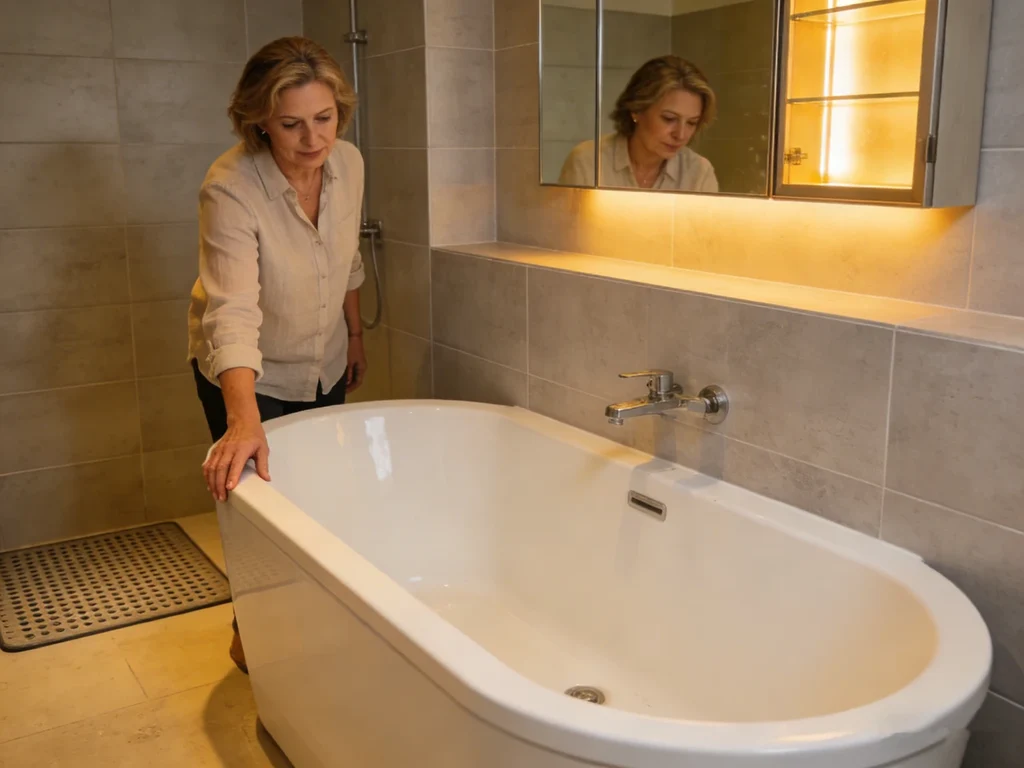
Traditional bathtubs can be more difficult to enter because users must step over the tub wall. This can become a concern as mobility changes.
Specialized options, such as walk-in tubs, can address some accessibility concerns, but they have different space, installation, and maintenance requirements. For many homeowners, a properly designed accessible shower may offer a simpler long-term solution.
Resale Value and Buyer Preferences
If you are planning to sell your home in the future, resale value may influence your decision. However, buyer preferences are not identical in every market.
A well-designed walk-in shower can make a primary bathroom feel modern, spacious, and convenient. It may appeal strongly to buyers who prioritize accessibility and contemporary bathroom design.
At the same time, having at least one bathtub somewhere in the home can preserve flexibility for families with young children and buyers who enjoy bathing.
For homeowners completing a [bathroom remodeling] project, maintaining a balance between personal preferences and broader buyer expectations can be a sensible strategy.
Walk-In Shower vs. Bathtub: Pros and Cons
Looking at the advantages and disadvantages side by side can make the decision easier.
Walk-In Shower Advantages
- Easier entry and exit
- Efficient for daily showering
- Can make a bathroom feel more open
- Suitable for many accessibility needs
- Flexible design options
- Can work well in smaller bathrooms
Walk-In Shower Drawbacks
- May require more detailed waterproofing
- Glass and grout may require regular cleaning
- Custom designs can increase installation costs
- Removing the only tub may affect some buyers’ preferences
Bathtub Advantages
- Provides a relaxing soaking option
- Useful for bathing young children
- Offers versatility when paired with a shower
- Available in many styles and sizes
- Can preserve a traditional bathroom feature
Bathtub Drawbacks
- Requires more space in many layouts
- Can be harder to enter and exit
- May be less convenient for quick daily routines
- Cleaning can require more bending and reaching
Understanding these trade-offs allows you to focus on what matters most instead of choosing based solely on appearance or current trends.
Replacing a Bathtub With a Walk-In Shower
Converting a bathtub into a walk-in shower can significantly change how a bathroom functions. It can provide easier access, improve the sense of openness, and create a more personalized showering area.
Before starting a [tub to shower conversion], several details should be reviewed. The existing plumbing, drain location, wall condition, waterproofing, available shower dimensions, and entry clearance can all affect the project.
Homeowners should also think about storage and safety. Shower niches, shelves, seating, grab bars, and handheld fixtures can be incorporated into the design when appropriate.
A successful conversion is not only about removing the tub. It is about creating a shower that works naturally within the existing bathroom.
Keeping Both a Shower and Bathtub
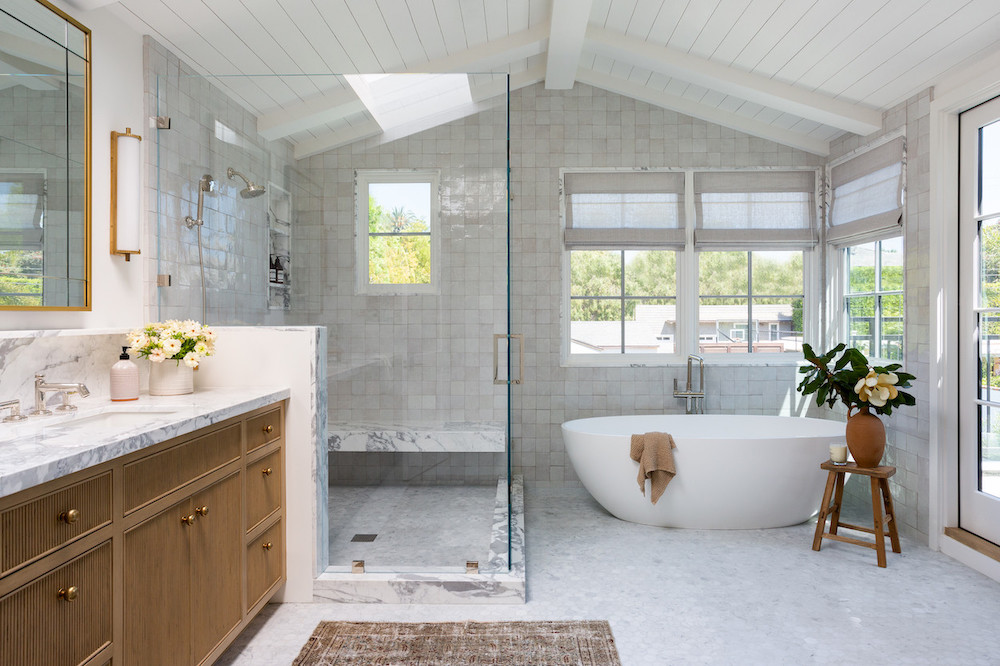
If space and budget allow, having both a shower and bathtub can provide the greatest flexibility. This arrangement allows household members to choose the bathing method that suits them without sacrificing either option.
A bathroom with both features may also appeal to a wider range of future buyers. Families can use the tub for children, while adults can use the shower for everyday convenience.
However, installing both is not practical for every bathroom. In a smaller space, trying to fit both features may make the room feel cramped and reduce valuable storage or movement areas.
Common Mistakes to Avoid
Choosing a bathroom fixture based only on appearance is one of the most common mistakes. A beautiful shower or bathtub may not be practical if it does not suit the way the household uses the bathroom.
Another mistake is overlooking future needs. A design that feels comfortable today may become difficult to use later. Accessibility, cleaning requirements, household changes, and resale plans should all be considered.
Other issues to avoid include:
- Ignoring the bathroom’s actual dimensions
- Underestimating installation requirements
- Choosing difficult-to-maintain materials
- Forgetting adequate storage
- Removing the home’s only bathtub without considering resale
- Focusing entirely on trends rather than functionality
Taking time to evaluate these factors can help prevent expensive changes later.
How to Choose the Right Option for Your Bathroom
The best choice becomes clearer when you consider a few practical questions.
Choose a walk-in shower if:
- You mainly take showers
- You want easier entry
- Your bathroom is relatively small
- Accessibility is important
- You prefer a modern, open appearance
- You want a convenient daily bathing solution
Choose a bathtub if:
- You enjoy taking baths
- Young children use the bathroom
- You have enough space
- You want maximum bathing flexibility
- Maintaining a bathtub is important for your household
- You want to preserve a tub in the home for future buyers
There is also no rule that says every bathroom must make the same choice. One bathroom can feature a walk-in shower while another retains a bathtub, creating flexibility throughout the home.
Final Thought
A bathroom should feel like a space that supports your life, not one that forces you to adjust your routine. Walk-in showers can offer accessibility, convenience, and an open design, while bathtubs provide relaxation, versatility, and family-friendly functionality.
The right decision comes down to how you use your bathroom, how much space you have, what you want to spend, and what you may need in the future. By weighing comfort, maintenance, accessibility, and long-term value together, you can choose an option that feels right not only today, but for many years to come.
FAQs
Q1. Is a walk-in shower better than a bathtub?
A: Neither option is universally better. A walk-in shower may be more convenient for everyday use and accessibility, while a bathtub can be more useful for children and relaxation. The best choice depends on your household’s needs.
Q2. Is a walk-in shower good for a small bathroom?
A: Yes. A well-designed walk-in shower can improve movement and create a more open visual appearance in a small bathroom. Glass enclosures and efficient layouts can further enhance the sense of space.
Q3. Does removing a bathtub reduce home value?
A: It can depend on the home and local buyer expectations. Removing the only bathtub may reduce appeal to some families, while a modern walk-in shower may attract buyers who prioritize convenience and accessibility.
Q4. Is a bathtub more difficult to maintain than a walk-in shower?
A: Both require regular cleaning. The amount of maintenance depends largely on the materials and design. Glass, grout, fixtures, and drains can require attention in showers, while tubs and their surrounding surfaces also need regular cleaning.
Q5. Can a bathtub be converted into a walk-in shower?
A: In many bathrooms, a tub can be replaced with a walk-in shower. The feasibility depends on plumbing, available space, drainage, waterproofing, and the condition of the existing bathroom.
Q6. What is better for aging in place, a shower or bathtub?
A: A properly designed walk-in shower is generally easier to access than a traditional bathtub. Features such as a low threshold, grab bars, seating, handheld fixtures, and slip-resistant flooring can further improve usability.
Q7. Should a bathroom have both a tub and shower?
A: If the bathroom has enough space and the budget allows, having both can provide greater flexibility. It may also preserve bathing options for different household members and future buyers.
Q8. What should I consider before replacing a tub with a shower?
A: Consider the bathroom layout, plumbing, drainage, waterproofing, shower entry, storage, accessibility, maintenance, budget, and whether the home will still have another bathtub.