“A successful basement remodel begins with keeping moisture under control. Proper waterproofing, drainage, humidity management, and moisture-resistant materials protect your investment while creating a healthier, more comfortable living space. Taking these essential steps before remodeling helps ensure your finished basement remains beautiful, durable, and worry-free for years to come.”
A finished basement can add real living space and long-term value to a home, but only if it stays dry. Many remodeling projects focus on layout, finishes, and lighting while overlooking the one factor that determines whether all of that work will last: moisture. Basements sit below grade, surrounded by soil that retains water long after a storm has passed, making them uniquely vulnerable to dampness, condensation, and hidden leaks.
Before any framing, drywall, or flooring goes in, moisture control has to be addressed. Skipping this step doesn’t just risk cosmetic damage; it can compromise indoor air quality, structural materials, and the overall lifespan of the finished space.
Understanding Moisture Before You Build
Every basement has its own moisture profile, shaped by soil type, grading, foundation age, and local climate. A thorough assessment before remodeling begins looks for water entry points, condensation on pipes or walls, hidden mold, and airflow problems that trap humidity.
This upfront diagnosis matters because moisture that isn’t visible on the surface can still be active behind walls or under flooring. Identifying it early protects both the health of anyone using the space and the investment made in finishing it.
Waterproofing Solutions That Last
Not all waterproofing methods offer the same level of protection. Exterior waterproofing, applied to the foundation walls from the outside, provides the most comprehensive barrier against water intrusion, though it typically involves more extensive work.
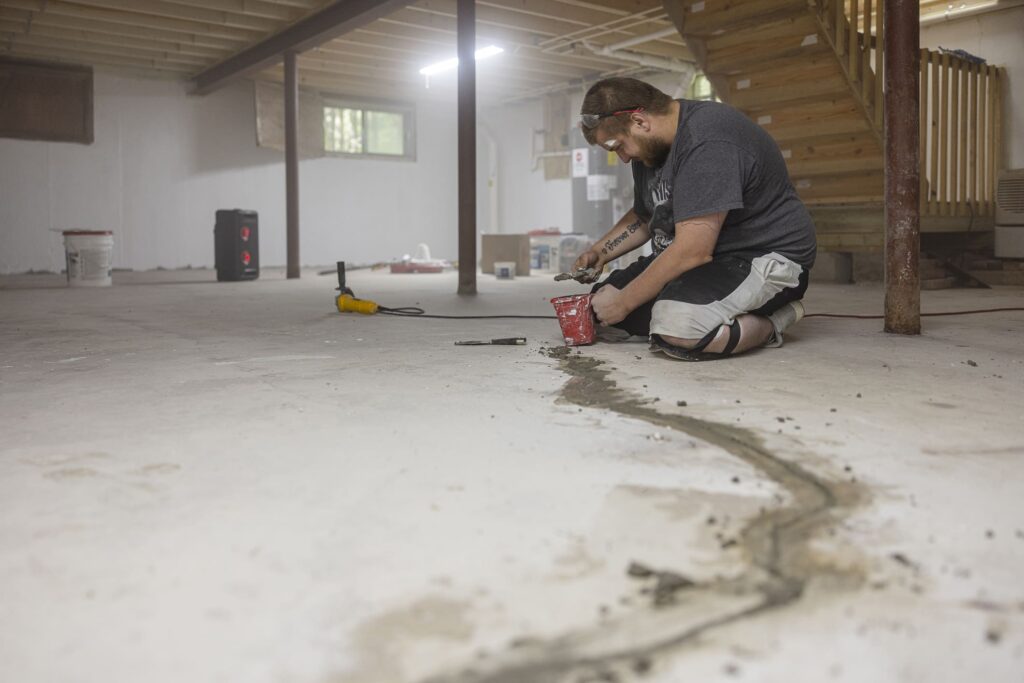
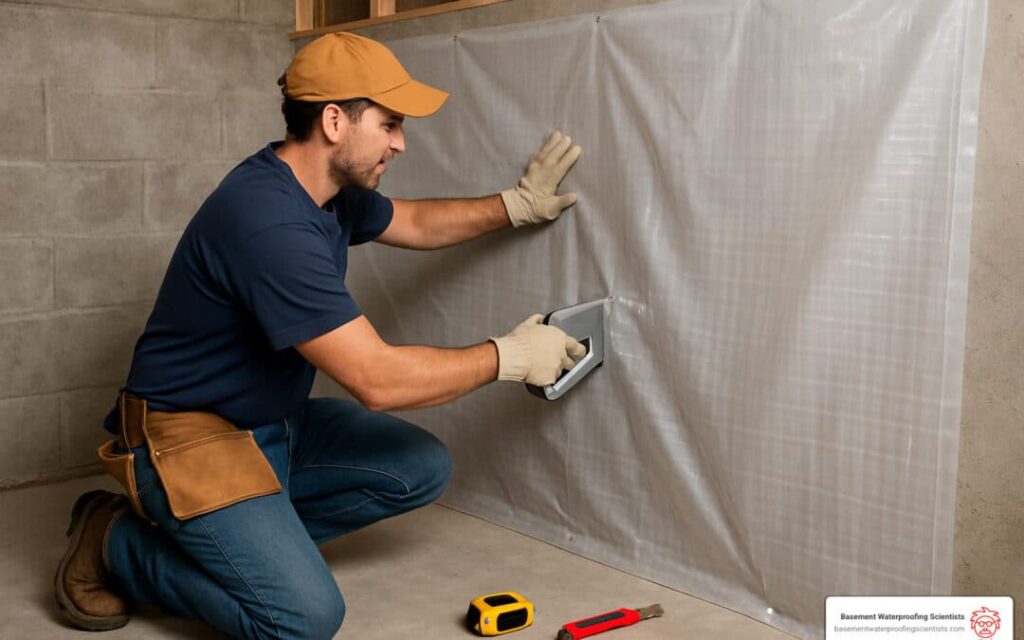
Interior drainage systems offer a practical alternative, channeling water to a sump pump before it can spread across the basement floor. Waterproof coatings and sealers add another layer of defense by blocking moisture migration through concrete, while vapor barriers prevent humidity from entering finished wall assemblies.
Drainage Is a Basement’s First Line of Defense
Much of what keeps a basement dry happens outside the home, before water ever reaches the foundation. Gutters and downspouts that direct rainwater well away from the house reduce the volume of water sitting near basement walls.
Grading the soil so it slopes away from the foundation further reduces hydrostatic pressure. French drains and sump pumps, ideally with battery backups, act as a fail-safe system, keeping water moving away from the basement even during heavy storms or power outages.
Choosing Materials That Resist Moisture
Basement remodeling calls for material choices suited to a below-grade environment. Moisture-resistant drywall holds up far better than standard drywall in spaces prone to humidity fluctuations.
Engineered flooring and other synthetic options generally outperform solid wood, which can warp or swell when exposed to dampness. Mold-resistant insulation helps maintain healthier indoor air, and avoiding organic building materials lowers the risk of mold developing behind finished surfaces.
Controlling Humidity for Long-Term Comfort
Humidity control often gets less attention than waterproofing, but it plays an equally important role. Dehumidifiers help maintain indoor humidity between 30 and 50 percent, a range that discourages mold growth and condensation.
Proper ventilation, including exhaust fans in basement bathrooms or kitchenettes, moves excess moisture outside rather than letting it linger. A well-balanced HVAC system rounds out the picture, keeping the finished basement comfortable through every season rather than just the drier months.
Why Moisture Control Comes First
Even a beautifully finished basement can be undone by moisture problems left unaddressed. Water damage doesn’t always show up immediately; it can take months or years for warped flooring, deteriorating drywall, or hidden mold to surface.
Dealing with moisture at the outset prevents material failure down the line, protects indoor air quality, and avoids the far higher cost of repairing a finished space after the fact. Treating moisture control as the foundation of the project, rather than an afterthought, is what allows the rest of the remodel to hold up over time.
Final Thoughts
A dry basement is the foundation of a successful remodel, not a detail to revisit later. Addressing moisture through proper assessment, waterproofing, drainage, material selection, and humidity control protects both the structure and the people who will use the space. Projects that prioritize moisture control from the start tend to hold their value and their finish far longer than those that treat it as an afterthought.
Frequently Asked Questions
Q1. How do I know if my basement has a moisture problem before remodeling?
A: Common signs include musty odors, damp or discolored walls, condensation on pipes, efflorescence (a white, chalky residue) on concrete, or visible mold. A professional moisture assessment can identify issues that aren’t yet visible on the surface.
Q2. Is interior drainage as effective as exterior waterproofing?
A: Exterior waterproofing generally provides the most comprehensive protection since it stops water before it reaches the foundation wall. Interior drainage systems are a strong, less invasive alternative that manage water once it enters, directing it safely to a sump pump.
Q3. What humidity level should a finished basement maintain?
A: Most guidance points to keeping indoor humidity between 30 and 50 percent. Staying within this range helps prevent mold growth, condensation, and damage to moisture-sensitive materials.
Q4. Can I use regular drywall and flooring in a basement remodel?
A: Standard organic materials are more vulnerable to moisture damage and mold in below-grade spaces. Moisture-resistant drywall and engineered flooring are generally better suited to the humidity conditions basements experience.
Q5. Do I need a sump pump if my basement has never flooded?
A: A sump pump with a battery backup acts as a safeguard even in basements with no history of flooding, since grading changes, heavy storms, or shifting soil conditions can introduce new water issues over time.
Q6. How long does moisture control work take before remodeling can begin?
A: Timelines vary depending on the scope of work; sealing and interior drainage can often be completed in a matter of days, while exterior waterproofing or grading corrections may take longer. A moisture assessment early in planning helps set realistic expectations.